

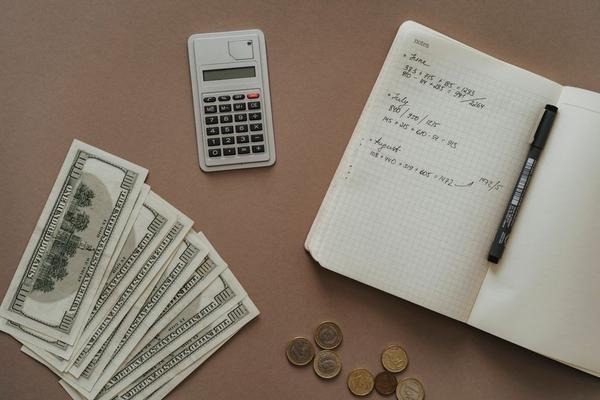
A profitable month does not guarantee enough money in the bank to pay Friday’s wages. Customers may pay after invoices are due, a supplier might require a deposit, and a tax bill can arrive before a busy season produces cash. A cash flow forecast for a small business turns those timing differences into a practical plan.
You do not need complicated software to start. A spreadsheet, current bank balance, unpaid invoices and upcoming bills are enough to build a useful first version. The aim is not to predict every payment perfectly. It is to identify when cash could become tight while there is still time to act.
Choose a time horizon that matches your decisions
Start with a weekly forecast covering the next 13 weeks if payroll, supplier payments or customer collections make the next few months unpredictable. Weekly columns reveal a shortage that a monthly total could hide. Add a monthly view covering six to 12 months for seasonal costs, hiring plans and larger purchases.
Use expected payment dates, not simply the month in which revenue is earned or an expense is recorded. A sale booked in October but paid in November belongs in November’s projected receipts. This timing principle separates a cash flow projection from a sales budget or profit forecast.
Build a simple cash forecast template
Set up one column for each week or month and rows for opening cash, cash received, cash paid, net movement and closing cash. Under receipts and payments, add categories that reflect how your business operates.
Start with the cash you can actually use
Take the opening balance from reconciled business bank accounts and accessible cash. Do not treat unused credit limits as bank cash, and avoid counting money held for someone else as available operating funds. Note any restricted amounts separately.
Apply the same calculation every period
Projected closing cash equals opening cash plus expected receipts minus expected payments. The closing figure becomes the following period’s opening cash. This repeated calculation shows when your balance reaches its lowest point.
Keep financing receipts and loan repayments separate from everyday trading activity. That way, a loan drawdown does not make weak customer collections look healthy. Depreciation is not a cash payment, but equipment purchases and loan principal repayments are.
Estimate money coming in by payment date
Begin with outstanding customer invoices. List their amounts, due dates and realistic collection dates, using each customer’s payment history where possible. An invoice due next Tuesday should not automatically be forecast as cash next Tuesday if that customer regularly pays two weeks late.
Next, estimate cash sales and payments from future work. Use confirmed orders and recurring contracts before adding less certain opportunities. For a cautious forecast, delay or exclude speculative sales rather than relying on them to cover essential bills.
Other receipts might include refunds, asset sales, owner contributions or confirmed borrowing. Label these distinctly so you can see whether small business cash flow is being supported by customers or one-off funding.
List every outgoing payment, including the awkward ones
Enter payroll, rent, stock or materials, utilities, subscriptions, contractor fees and supplier invoices on their expected payment dates. Add taxes, insurance renewals, equipment deposits, owner withdrawals and debt repayments when applicable. Check your bank transactions for recurring charges that are easy to forget.
Pay particular attention to costs that rise before sales turn into cash. A retailer may purchase seasonal inventory weeks before customers buy it. A service firm may pay contractors long before its client settles the final invoice.
Keep tax treatment consistent. If your forecast uses tax-inclusive customer receipts, include the related tax payments and eligible refunds in their expected periods. Do not subtract a tax amount twice. Your accountant can help check local obligations and payment schedules.
A worked example: profitable sales, an uncomfortable Friday
Consider a small design studio starting the week with $8,000. Expected receipts total $8,000, including a $4,000 client invoice. Payroll, contractors, rent and software require $9,000, leaving projected closing cash of $7,000. If that invoice slips to next week, receipts drop to $4,000 and closing cash falls to $3,000.
Both forecasts describe the same work completed; only collection timing changes. If the studio needs a $4,000 minimum cash cushion, the revised forecast flags a $1,000 gap. The owner can follow up on the invoice, arrange an agreed customer deposit, reschedule a discretionary purchase or discuss short-term funding before payroll arrives.
The key is to identify the lowest cash balance, not merely whether the month finishes positive.
Check assumptions and update the forecast regularly
Mark each predicted receipt as confirmed, likely or uncertain, and record the reason for its timing. Build a cautious case in which major customers pay later, sales dip or an unplanned repair occurs. Compare that with your expected case to see how much headroom you really have.
Set a minimum cash balance based on unavoidable obligations and the buffer your business needs. Any projected closing balance below that threshold deserves a specific action and owner. If a shortfall persists even after timing adjustments, it may signal a deeper pricing, cost or funding problem.
Update a weekly cash planning sheet once a week, or more frequently when funds are tight. Replace completed forecasts with actual bank movements, investigate large differences and roll the horizon forward. Review overdue invoices and upcoming payments before making spending commitments.
For a fuller view, compare the forecast with your small business budget, accounts receivable records and working capital plan. The budget shows the plan; the forecast shows whether the cash will be there when needed.
Frequently asked questions
How often should a small business update its cash flow forecast?
Weekly updates are useful for businesses with tight balances, uneven collections or frequent supplier payments. A stable business may review monthly, but should update sooner after a major sale, delayed invoice or unexpected expense.
Is a cash flow forecast the same as a profit forecast?
No. Profit reflects revenue and expenses under the accounting method used, while a cash forecast tracks expected money entering and leaving the business. A profitable business can run short of cash when customer payments arrive after its bills.
Can I make a cash flow forecast without accounting software?
Yes. A spreadsheet is sufficient if you enter reliable opening cash, realistic collection dates, payment schedules and formulas. Accounting software can reduce manual work, but it does not replace sound assumptions.
What should I do if my forecast shows a cash shortage?
Confirm the dates and amounts first. Then consider collecting overdue invoices, negotiating permissible payment terms, delaying nonessential spending or exploring suitable financing. Act before the projected shortage, and do not assume a new loan will be approved.
Turn the forecast into a weekly decision tool
A useful cash flow forecast for a small business is simple, dated and regularly revised. Start with money on hand, place receipts and payments when they are likely to happen, calculate closing cash and investigate the weakest week. With that habit in place, cash surprises become visible decisions rather than last-minute emergencies.
