

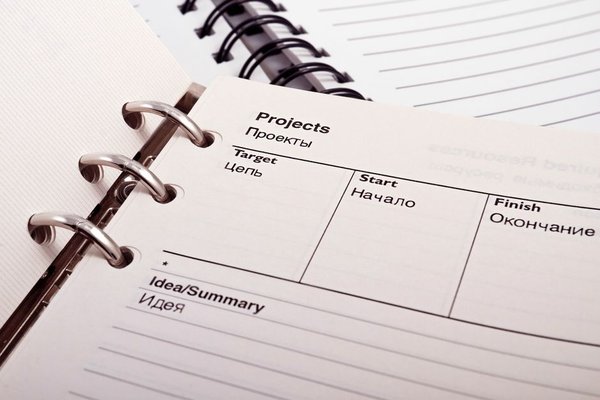
A traditional business plan can feel like a major project, especially when you are still testing an idea. You may not have detailed forecasts, a large team, or weeks to spend writing a formal document. A one-page business plan template gives you a faster way to turn a concept into a usable plan. It focuses on what you will sell, who will buy it, how you will reach them, what it will cost, and what success should look like.
The goal is not to predict details. It is to create a working document you can complete in under an hour, review regularly, and improve as you learn. For a new founder, freelancer, or small business, this may be more useful than a long plan that is never opened again.
What Is a One-Page Business Plan?
A one-page business plan is a concise summary of how a business will operate and grow. It usually covers the problem being solved, the proposed solution, target customers, revenue, costs, marketing, goals, and immediate priorities. The short format forces you to make choices rather than hide uncertainty behind general language.
This approach is often called a lean business plan. It works well when you need to validate an idea, organise your thinking, or decide what to do next. Banks, investors, grant providers, or regulated industries may later request fuller financial and operational information, but the one-page version gives you a strong starting point.
Copy-Ready One-Page Business Plan Template
Use the headings below to build your plan. Keep each answer to one or two sentences where possible. Specific information is more valuable than polished wording.
Business Idea
Describe what the business offers in one clear sentence. State the offer, customer, and main result. Example: “A mobile bicycle repair service that visits commuters at home or work and completes common repairs on the same day.”
Customer Problem
Explain the frustration, cost, delay, or unmet need the customer experiences. For the bicycle repair example, the problem is that busy commuters cannot easily transport a damaged bicycle to a shop or wait several days for repairs.
Product or Service
Describe the core offer, what the customer receives, and how it is delivered. Do not list every service you might add later. Centre the first plan on the simplest offer you can realistically sell.
Target Customer
Define the people most likely to buy first. Include details such as location, occupation, budget, or buying situation. “Everyone who owns a bicycle” is too broad. “Office commuters within five miles of the city centre” is easier to reach and serve.
Competitive Advantage
State why a customer would choose you instead of another business, a substitute, or doing nothing. Your advantage might be speed, convenience, specialist knowledge, transparent pricing, or personal service. Keep the claim realistic.
Marketing and Sales
Choose two or three channels you can actively use, such as local search, social media, partnerships, referrals, or direct sales. Add a measurable action, such as contacting five office managers each week or publishing two locally focused service pages.
Revenue and Pricing
Write down what customers will pay for and how much you expect to charge. Your model might use a fixed fee, hourly rate, subscription, package, or product margin. If pricing is uncertain, record a starting price and a simple test with early prospects.
Key Costs
Separate one-off setup costs from ongoing expenses. Common items include equipment, stock, software, insurance, licences, transport, advertising, and payment fees.
Goals and Measures
Set one short-term commercial goal and a few measures that show progress. For example: “Secure 20 paying customers within 90 days while keeping the average acquisition cost below £15.” Useful measures include enquiries, conversion rate, repeat purchases, monthly revenue, and gross profit.
Next Three Actions
Finish with three actions that can be completed soon, such as interviewing ten potential customers, creating a basic booking page, or testing a paid service with three early users. This turns the template into an operating tool.
A Practical Business Plan Example
Imagine a founder planning a home-based meal-preparation service for professionals. The customer is office workers in a defined delivery area who lack time to cook and dislike expensive takeaway meals. The initial offer is a weekly package of five fresh dinners, ordered by Thursday and delivered on Sunday.
The founder chooses local social media groups and partnerships with nearby gyms as the first marketing channels. Revenue comes from weekly packages, while major costs include ingredients, packaging, kitchen compliance, delivery, and payment processing. The 60-day goal is 25 recurring customers. The next actions are to calculate the cost per meal, test the menu with ten customers, and take paid pre-orders before buying extra equipment.
This short business plan example reveals the key assumptions immediately. Will customers commit to a weekly package? Can the meals be produced profitably? Is Sunday delivery convenient? Test those questions before investing heavily.
How to Make the Plan Useful
Write your first version quickly, then challenge the weakest statements. Replace guesses with evidence by speaking to customers, comparing prices, requesting supplier quotes, and testing a small paid offer. A useful plan changes with real information.
Review it weekly during the early stage. Update pricing, costs, customer descriptions, and priorities as you learn. As the idea grows, expand relevant sections into a sales forecast, marketing plan, or cash-flow budget. Natural next resources include a business startup checklist, a guide to calculating startup costs, and a simple cash-flow forecast.
Common Mistakes to Avoid
Do not fill the page with slogans or vague ambitions. “Provide excellent service” is not a strategy unless you explain how the service will be different. Avoid targeting an audience so broad that you cannot identify where to find your first customers. Do not ignore taxes, delivery, returns, insurance, or the founder’s time. Do not treat the plan as fixed. Its purpose is to guide decisions, not protect your original assumptions.
Frequently Asked Questions
Can a business plan really fit on one page?
Yes. An early-stage plan can fit on one page when it concentrates on the business model, customers, finances, goals, and next actions. Supporting calculations can be kept separately.
Is a one-page business plan suitable for investors?
It can be used as an initial summary, but most serious investors will request evidence, financial forecasts, market analysis, and information about the team. Use it to communicate the concept clearly, then prepare deeper material when required.
How often should I update the plan?
Review it weekly or monthly while the business is new. Update it whenever customer feedback, pricing tests, costs, regulations, or sales results change an important assumption.
What if I cannot answer a section?
Turn the missing answer into a research task. Interview customers, examine competitors, obtain quotes, or run a small test. An unanswered section shows exactly what you need to learn next.
Turn the Page Into Action
A one-page business plan works because it reduces planning to a manageable set of decisions. Complete the template with your best current information, identify the assumptions that need proof, and choose three actions you can take immediately. You will finish with a clear picture of the business, a realistic starting point, and a plan that can grow alongside your experience.
